Simple games that support planning, flexibility, self-control, and problem-solving—one moment at a time.
Your toddler is starting to think like a little scientist—asking questions, testing ideas, and learning through every moment of play. Between ages 2 and 3, they’re building the foundation for executive function—the set of mental skills that help us focus, follow steps, manage frustration, and adjust when things don’t go as expected. You might notice it when they narrate a pretend scenario, try a new approach after a toy doesn’t work, or pause briefly before grabbing something from a friend. You’ll see it as they switch gears mid-task or “help” in ways that melt your heart and test your patience. These aren’t just milestones. They’re signs of powerful brain development happening behind the scenes. And the best way to support it is through playful routines, pretend games, and shared laughter with you.
What your toddler is learning right now
- Holding two-step directions in mind (“Put the shoes away, then wash your hands”)
- Adjusting when routines or expectations change
- Waiting or stopping (with support)
- Taking turns and beginning cooperative play
- Solving problems with creativity and flexibility
They’re learning best through repetition, gentle structure, and the safe space of your relationship.
9 Brain-Building Games for Toddlers (2–3 Years)
1. Treasure Hunt
A toddler-friendly scavenger hunt is more than just fun—it builds memory, planning, and flexible thinking.
Try this: Hide a favorite stuffed animal or toy truck around the house and give clues like, “It’s near something soft!” or “Look under the blanket.” Start simple and build up. You can also do a “visual hunt” outside—“Can you find something round?” or “Look for something yellow! These kinds of hunts teach toddlers to hold a goal in mind, shift attention, and solve small challenges.
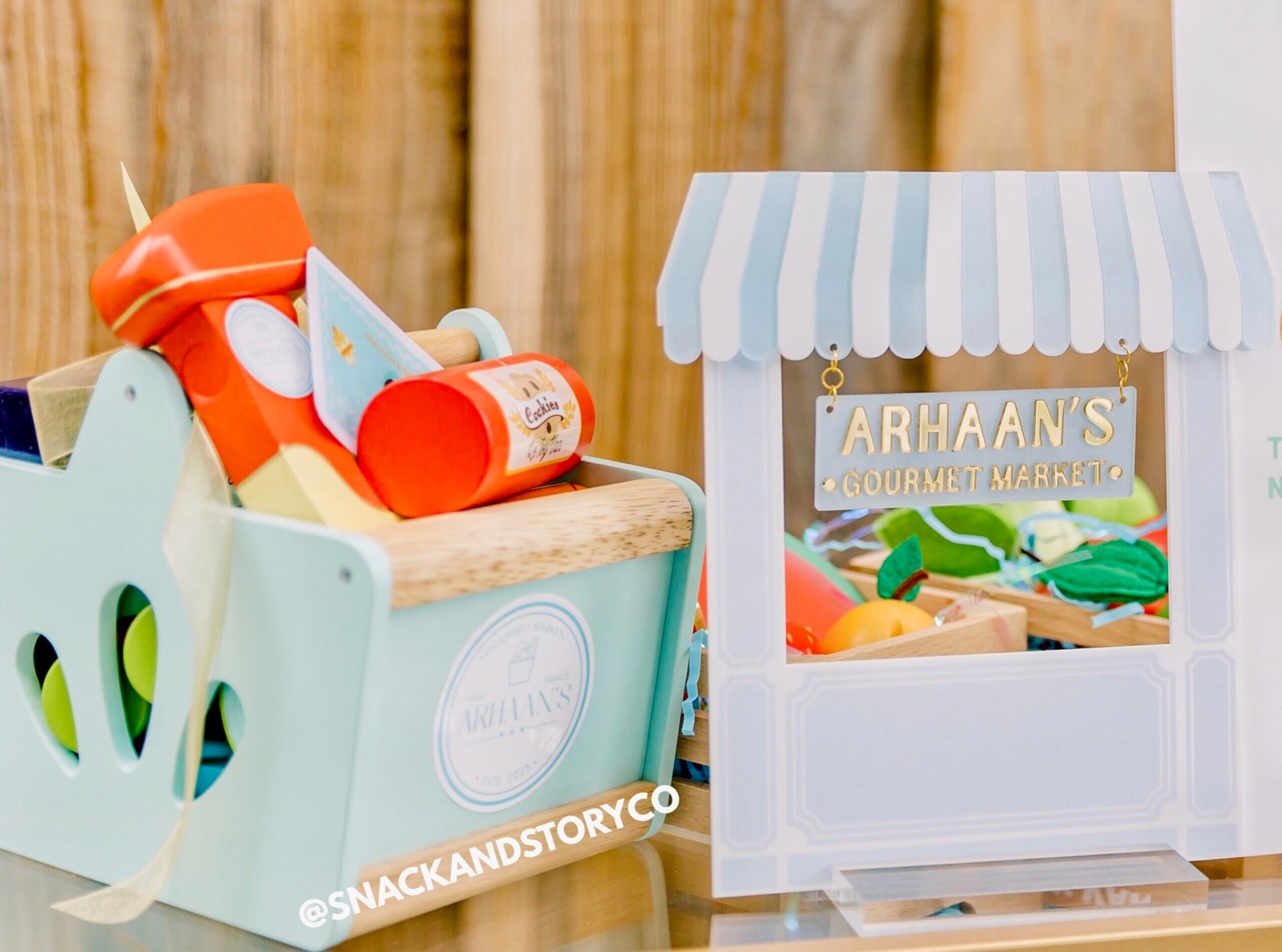
2. Pretend Grocery Store
Pretend play at this age builds language, problem-solving, and the ability to follow sequences and roles.
Try this: Set up a few pantry items on a table and give your toddler a basket or bag. Say, “You need 2 apples and 1 box of pasta!” Then take turns being the shopper and the cashier. Add layers over time—ask for “change,” hand them a pretend receipt, or have them “bag” the items. This game builds memory, planning, and back-and-forth communication.
3. Build-a-Ramp
When toddlers test ramps and structures, they’re exploring cause and effect, prediction, and spatial planning.
Try this: Use cardboard, books, or couch cushions to build ramps for balls or cars. Ask, “What happens if we make it steeper?” or “What if we use the big truck instead?” Encourage them to try different materials or angles. This exploration supports persistence, experimentation, and adjusting when things don’t work—key cognitive flexibility skills.
4. Emotion Charades
Understanding emotions is a huge leap toward self-regulation and social awareness.
Try this: Make silly faces and ask, “What am I feeling?” Try “happy,” “tired,” “mad,” or “surprised.” Then ask them to make a feeling face. Use a mirror or take turns guessing. You can also use stuffed animals—“Bear is sad today. What can we do to help?“ These games help toddlers connect expressions with emotions—and with care and empathy.
5. Freeze Simon Says
Games that mix movement and inhibition are gold for impulse control and focus.
Try this: Play a blend of Simon Says and Freeze Dance. “Simon says… jump!” “Freeze!” Add music or turn it into a marching game: “March, march, STOP!” Over time, increase the complexity: “Touch your toes, then jump!” Stopping mid-action helps toddlers build the “brakes” in their brain and learn to manage their own speed.
6. Make-Believe Restaurant
This game involves planning, sequencing, and cooperative play.
Try this: Set the table together with a few pretend dishes. Ask, “What should I eat first?” Let them “serve” you meals and take your order. Over time, you can flip roles or add new “menu items.” For instance, try: “What do we need to make pasta?” (spoon, bowl, pretend pasta, pretend cheese). They’ll use memory, imagination, and focus while managing steps.
7. Sorting Station
Sorting teaches children to recognize patterns and think flexibly across categories.
Try this: Sort socks by color or animals by type (farm vs. wild). For older toddlers, sort by two rules: “Can you find all the blue cars?” then “Now all the big ones?” You can even try “sorting snack time”: “Put all the crackers here and all the blueberries there.” Sorting builds cognitive flexibility and attention to detail—both executive function pillars.
8. Joke Time!
Humor helps toddlers learn to think flexibly and connect with others socially.
Try this: Tell a “toddler joke”—like putting shoes on your hands and saying, “Ready to go?” Let them laugh and fix it. You can also pretend a banana is a phone or “accidentally” drink from a block. These jokes may seem silly, but they help toddlers recognize when something breaks a pattern, which builds flexible thinking and perspective-taking.
9. Counting Clean-Up
Layering counting or simple rules into a task helps toddlers build planning and sequencing while doing something meaningful.
Try this: Say, “Let’s clean up five toys!” Count out loud together. Or, “Put all the blue blocks in the basket first, then the red ones.” This adds structure to a routine, supports goal-setting, and encourages toddlers to finish a task in an organized way.
The Takeaway
Between ages 2 and 3, toddlers are constantly learning how to think ahead, stay calm, and work through small challenges. Every time they follow your lead, try something new, or bounce back from frustration, they’re strengthening the core skills of executive function. And it all begins in the small, shared moments you create together.
At Snack & Story Co., we believe it’s those everyday interactions—rolling a ball, building a ramp, pretending to cook—that help little minds grow strong. With your love and presence, you’re already giving them exactly what they need, one playful moment at a time.
Learn More About This Research
Center on the Developing Child at Harvard University. (2024). 6 Games to Play with Toddlers: 2–3 Years. Retrieved from developingchild.harvard.edu
Diamond, A. (2013). Executive functions. Annual Review of Psychology, 64, 135–168.
Garon, N., Bryson, S. E., & Smith, I. M. (2008). Executive function in preschoolers: A review using an integrative framework. Psychological Bulletin, 134(1), 31–60.
Shonkoff, J. P., & Phillips, D. A. (Eds.). (2000). From Neurons to Neighborhoods: The Science of Early Childhood Development. National Academy Press.



Leave a Reply