Simple games. Real-life routines. Meaningful moments that grow the brain.
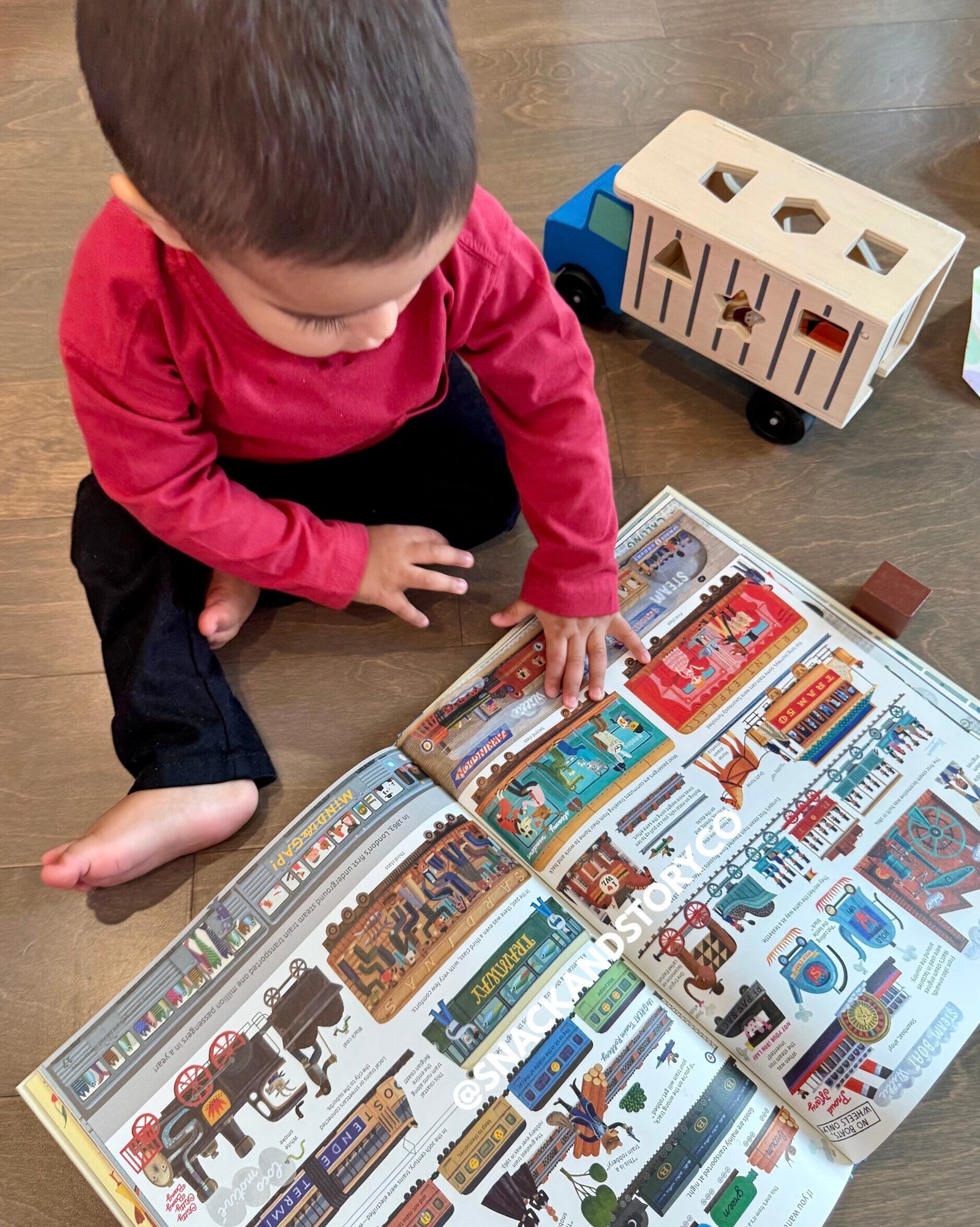
Whether you’ve got a six-month-old rolling over for the first time or a toddler narrating their pretend soup recipe, your child is already doing the important work of early development. They don’t need flashcards. They just need you—tuned in, talking, and playing right alongside them.
That’s where Smart Starts: Brain-Building Play Guides come in.
This series is designed to help you recognize the power of play at every age, understand what’s going on in your child’s brain, and feel confident that the small things you’re doing every day are making a big difference.
What Each Smart Start Play Guide Offers
Each age-based guide helps you understand how your child is learning and how to support them through everyday play. Each post is grounded in the latest child development research and built for parents who are short on time but big on care.
Here’s what’s inside:
- A breakdown of emerging skills like focus, memory, and self-control
- Play ideas you can try right away, using what you already have
- Tips for observing and supporting your child without pressure
- Gentle, real-life phrases to help you model language and connection
- A short, curated list of materials and toys that truly build skills
Explore the Smart Starts Series by Age
6 Months: Connection, Curiosity & Sensory Play
Your baby is learning to focus, shift attention, and regulate big emotions with your help. This guide shows how early brain development is supported through mirror play, peekaboo, lap bounces, and gentle back-and-forth games that strengthen social connection.
Smart Starts: Brain-Building Play For Your 6-Month-Old
9 Months: Cause & Effect, Repetition & Imitation
Now mobile and curious, your baby is testing how the world works—dropping toys, copying your sounds, and laughing at surprises. This guide is full of ideas like hide-and-find, copycat play, surprise baskets, and simple turn-taking to support memory and flexible thinking.
Smart Starts: Brain-Building Play For Your 9-Month-Old
12 Months: Planning, Sequencing & Intentional Action
Your toddler is starting to play with purpose—stacking, searching, and waiting (at least for a second!). We cover repetition games, cause-and-effect play, early problem-solving, and how to build patience, attention, and self-control through silly routines and imitation.
Smart Starts: Brain-Building Play For Your 12-Month-Old
18 Months: Focus, Memory & Growing Independence
From stickers to laundry baskets, this guide is packed with playful ways to support your toddler’s short-term memory, emerging language, and flexible thinking. We explore how routines like mealtime choices and cleanup can boost executive function—and why imitation matters more than perfection.
Smart Starts: Brain-Building Play For Your 18-Month-Old
Toddler (2–3 Years): Executive Function in Action
Now your child is starting to plan, problem-solve, and switch gears—on purpose. This guide focuses on pretend play, sorting, scavenger hunts, jokes, emotion games, and structured movement (like Freeze Dance!) to support impulse control, creativity, and persistence.
Smart Starts: Brain-Building Play For Your Toddler (2-3 Years Old)
Why We Call Them “Smart Starts: Brain-Building Play Guides”
At Snack & Story Co., we call these moments Smart Starts—simple, everyday activities that lay the foundation for big developmental growth.
Because every time your child:
- Waits for the word “go”
- Finds a toy they watched you hide
- Chooses between two snacks
- Plays a silly back-and-forth game with you…
They’re doing more than playing.
They’re building executive function—the brain’s ability to focus, plan, adapt, remember, and regulate big feelings.
These aren’t just milestones. They’re mental muscles.
And through play, your child is strengthening them—one joyful, everyday moment at a time.
We Want To Hear From You
We’d love to know: What age are you in right now? And what’s been your favorite moment of play this week?
Leave a comment or send us a note. We’re here to celebrate all the “small” things with you (because they’re not so small after all).



Leave a Reply